
Our Aircraft
Born in Everett, 1987
The first OEM aircraft cockpit cut we are working to restore into a flight simulator was cut from a Boeing 747-300, MSN 23640 — the 668th 747 off the line. She first flew on January 25, 1987 and was delivered to Japan Airlines just over a week later, on February 2, registered as JA8179. In 2002 she became the first JAL 747 Classic to receive a major avionics refresh, gaining a flight management system and glass ADI/HSI instruments — a hint of the glass-cockpit era to come.
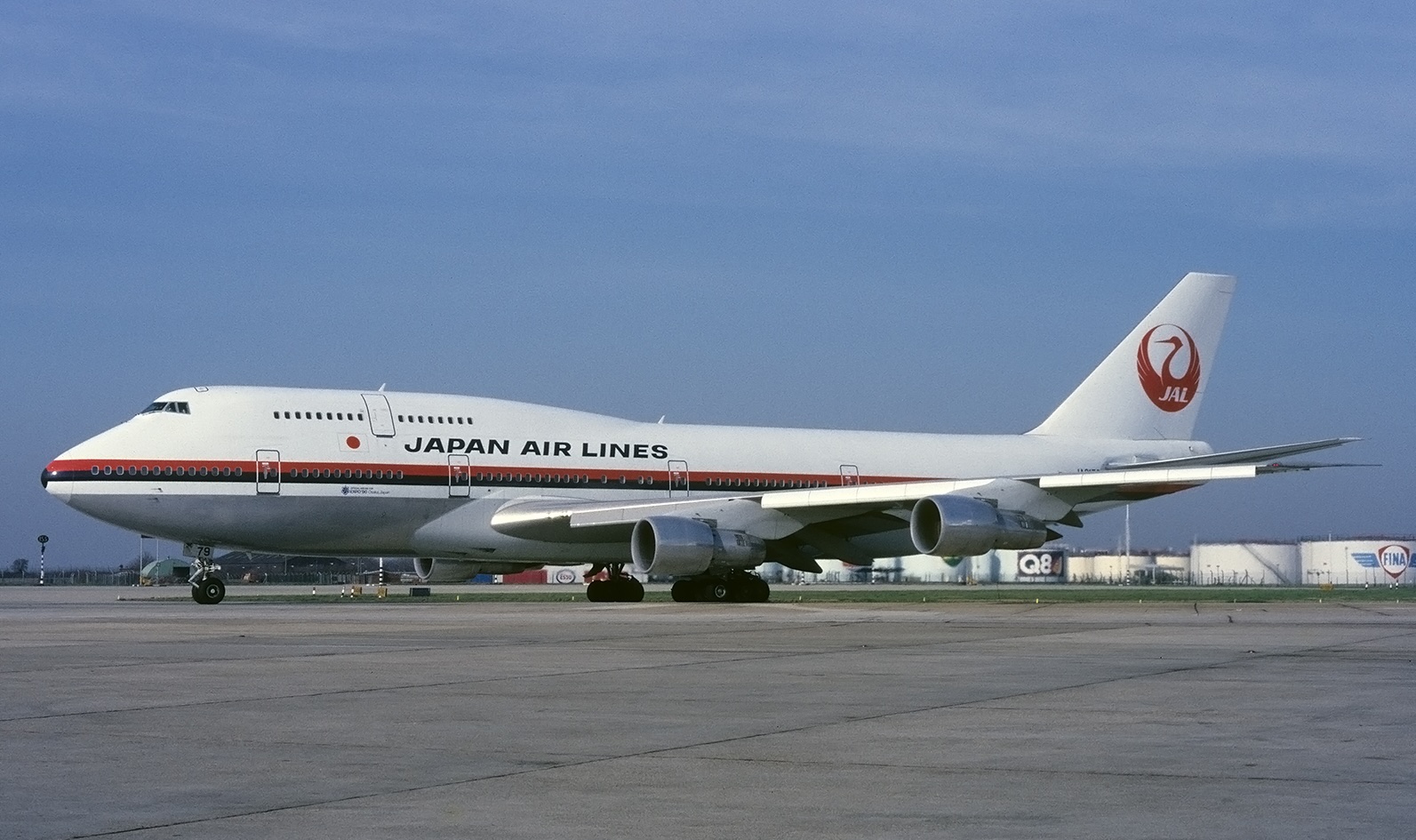
A cameo behind the Iron Curtain
Here’s a piece of trivia we love: JA8179 makes a brief cameo in a late-Soviet film shot at Moscow’s Sheremetyevo Airport in 1988, just one year after she entered service. The shot below — captured during that same era — shows her parked on the Sheremetyevo ramp in full JAL colors, a Cold-War-era backdrop framing a brand-new 747-300.
A second life as Transaero VP-BGY
After two decades flying for JAL, MSN 23640 was delivered to Transaero Airlines in 2007 and re-registered VP-BGY. She spent the next several years on Transaero’s long-haul fleet — Moscow to Asia, Europe, and the Mediterranean — until the airline collapsed in 2015. More history and photos from both eras are catalogued on her Planespotters airframe page and her JetPhotos profile.
Saved from the scrapper
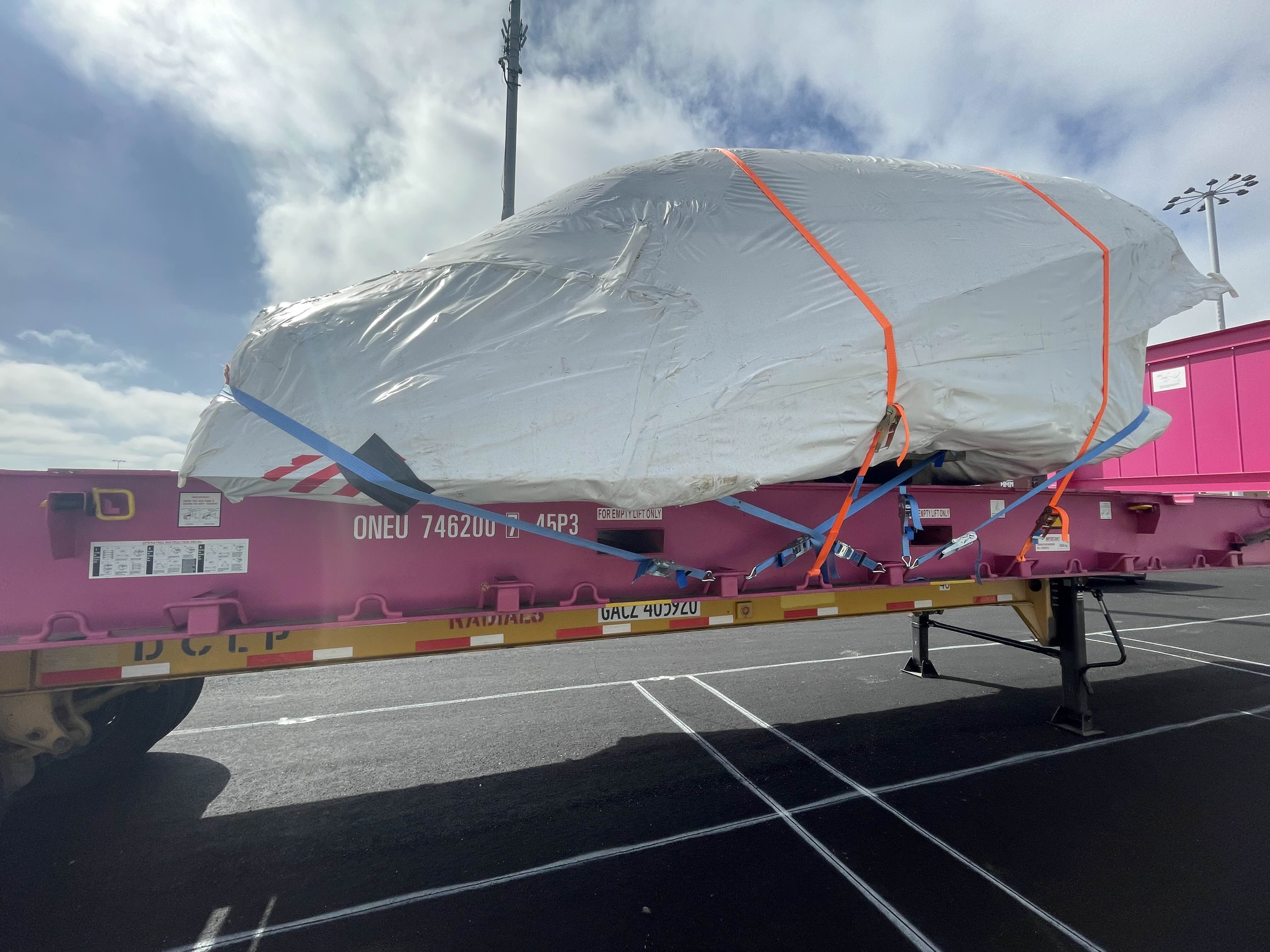
She was finally scrapped in 2022 — but the cockpit was rescued, complete with all instruments, and trucked to St. Athan, Wales for storage. We acquired her in the fall of 2024, then spent several months traveling to Wales to strip out the avionics for air freight to California and to prep and crate the cockpit itself onto a flat rack for ocean shipping. After a long voyage, our ship landed at the Port of Oakland with the cockpit still onboard.
Documented down to the wire
Here is the asset that makes this whole restoration possible: we have JAL’s complete Wiring Diagram Manual (WDM) for their 747 Classic fleet — the original Boeing documentation set, with every sheet annotated for the specific ship numbers each diagram applies to. That means the wiring for our cockpit — ship 179, JA8179 — is precisely identified across thousands of pages. We can trace any signal from any pin on any connector all the way back to its source instrument, relay, or bus, with no guesswork.
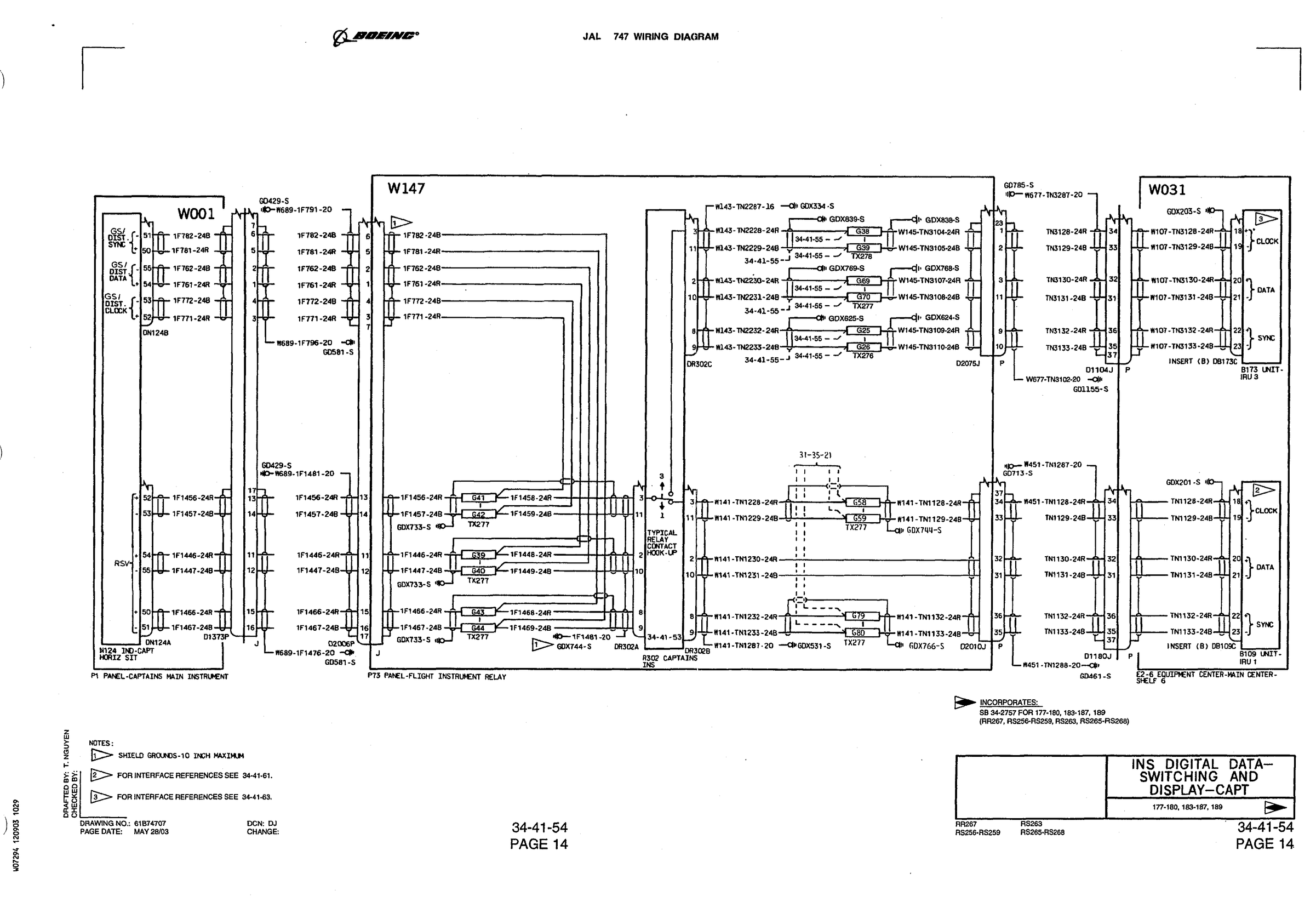
For a simulator restoration like ours, where the goal is to drive every original instrument with real signals from the sim, this kind of provenance is gold. It is the difference between a museum diorama and a working flight deck.